
TL;DR
The mistake most authors make is trying to generate the whole book at once. That is how you create a giant quality-control problem.
How to Create an Audiobook With AI
The mistake most authors make is trying to generate the whole book at once. That is how you create a giant quality-control problem.
A better AI audiobook workflow starts with one representative chapter. You test the narrator direction, fix the text, listen for pacing, and only then decide whether the voice can carry more of the book.
Quick answer
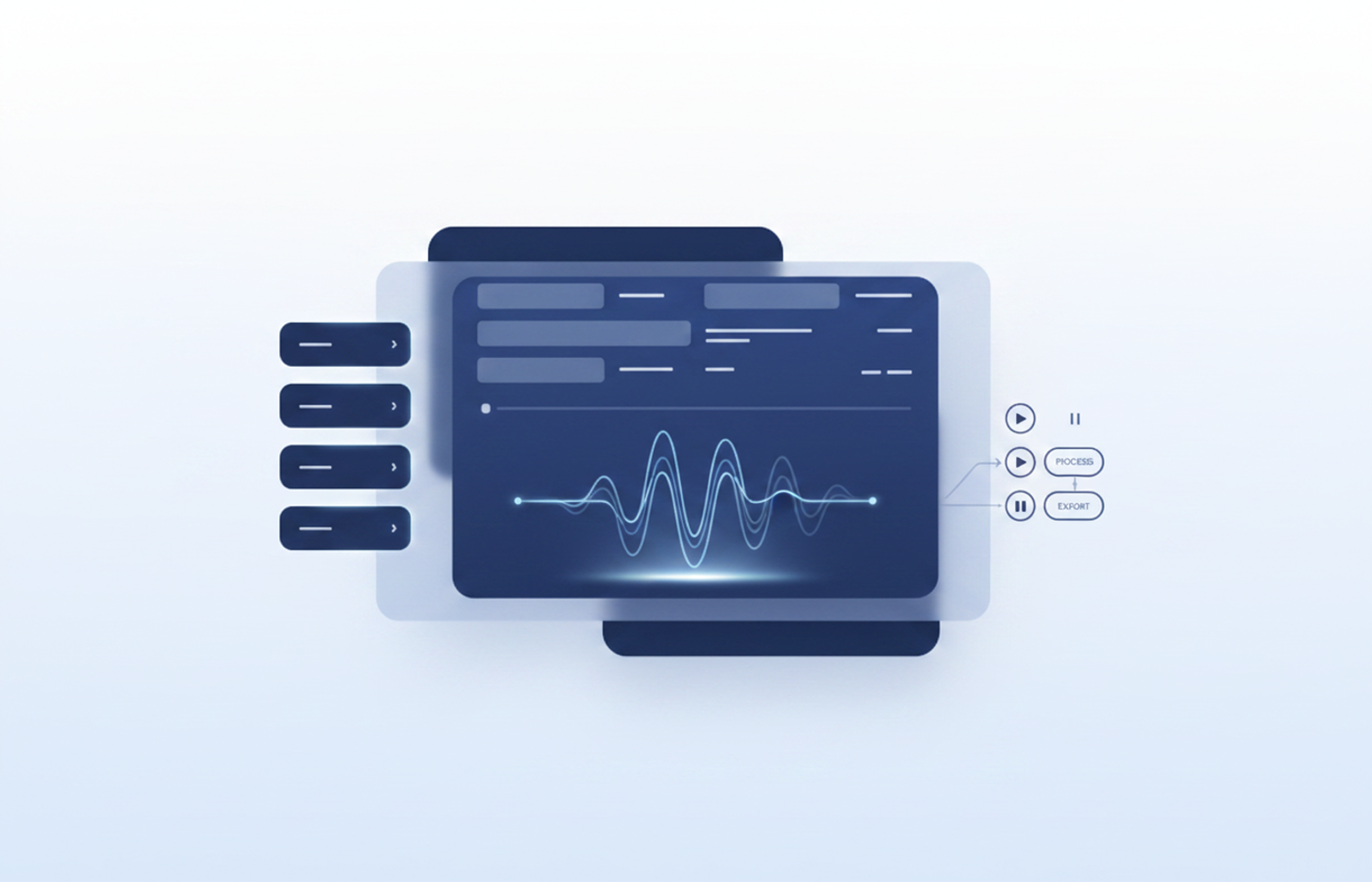
You can create an audiobook draft with AI by extracting clean chapter text, choosing a voice in Listnr, generating a short sample, reviewing pacing and pronunciation, and then repeating the process chapter by chapter.
The AI audiobook workflow

| Step | What to do |
|---|---|
| Pick a chapter | Choose a section that represents the book's tone. |
| Clean the text | Remove page numbers, broken line breaks, and formatting noise. |
| Choose a voice | Match the narrator to the genre and listener. |
| Generate a sample | Start small before producing more chapters. |
| Review and revise | Fix the source text, pauses, and pronunciation. |
Start with a sample chapter
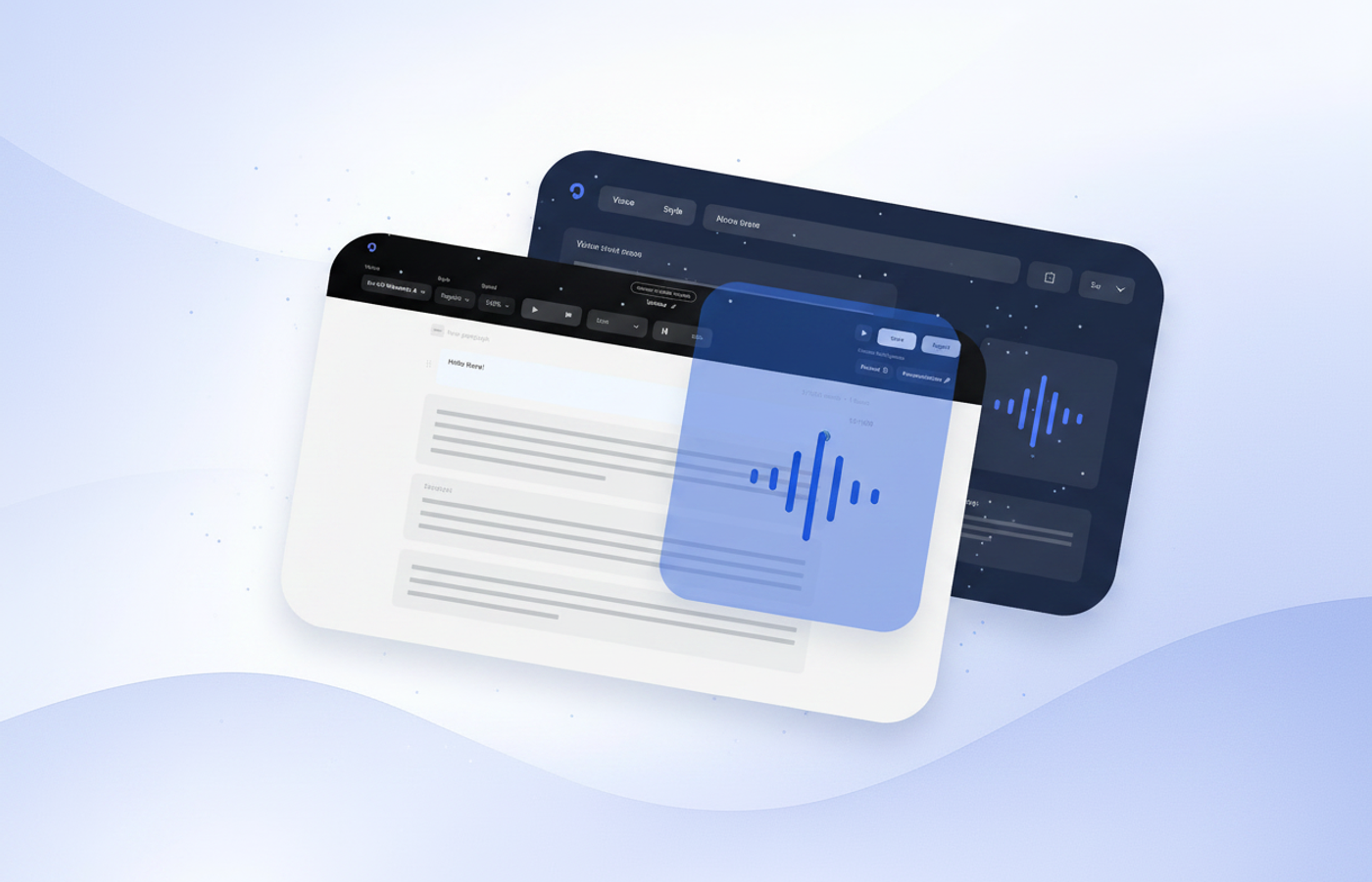
Use Listnr's audiobook voice generator to test the first sample. Pick a chapter with dialogue, exposition, and a few difficult words if the book has them. You want the test to reveal problems early.
For nonfiction, listen for clarity and authority. For fiction, listen for mood, character separation, and whether the narrator can hold attention across long passages. For education, listen for pacing and whether the audio helps comprehension.
Clean text before generation
AI narration is sensitive to messy inputs. EPUB exports often include footers, page breaks, strange hyphenation, and broken paragraphs. Clean those before generation.
If the text looks awkward on the page, it will usually sound awkward in audio. Shorter sentences, clean punctuation, and intentional paragraph breaks make the narration easier to listen to.
Use AI for drafts, previews, and direction
AI audiobook narration is especially useful for drafts and planning. Authors can hear whether a chapter works. Publishers can test narrator direction. Marketers can create sample clips for landing pages or launch campaigns.
That does not mean every final audiobook should be generated in one pass. Treat AI as a practical production tool, then make a deliberate decision about final quality and distribution requirements.
Bottom line
Do not start with the whole book. Start with one chapter. If the sample sounds good and the workflow is clean, then scale.
Frequently asked questions
Can AI create a full audiobook?
Yes—AI can narrate long-form text—but the reliable way to get something you’d actually ship is to work chapter by chapter. You’re not just generating audio; you’re debugging pronunciation, pacing, and text cleanliness. One giant export turns every mistake into a scavenger hunt.
What should I test first?
One representative chapter. Pick something with the book’s real texture: dialogue (if you have it), proper nouns, tricky terms, and the pacing you expect listeners to sit through. If the voice survives that chapter, it’ll usually survive the rest.
Can I convert EPUB chapters with Listnr?
Yes. Use Listnr’s EPUB-to-audiobook workflow to extract chapter text, clean it, and generate narration samples. The key is still review: EPUBs often contain hidden formatting junk that sounds terrible when read aloud.
Is AI audiobook narration useful for authors?
Very. It’s a fast way to hear your manuscript, catch clunky sentences, test narrator direction, and create sample clips for a launch page. Even if you later hire a human narrator, AI can shorten the iteration loop early.
Will AI narration meet Audible/ACX requirements?
Requirements and enforcement can change, and distribution platforms have their own policies. Treat AI audio as a production tool first (drafts, previews, internal review). If you’re distributing commercially, verify the current rules for your target platform and decide whether you need human narration for compliance and listener expectations.
How do I reduce pronunciation errors and weird pacing?
Fix the source text before you touch settings. Expand abbreviations, standardize punctuation, remove broken line breaks, and keep paragraphs intentional. Then generate a short sample, listen with headphones, and iterate. Most “AI voice problems” are actually text problems.
Sources
ACX (Amazon) · Useful baseline for understanding common audiobook technical expectations (RMS levels, peaks, noise floor) when you move from draft audio to distribution.
Library of Congress — National Library Service for the Blind and Print Disabled (NLS) · A neutral, authority source on audiobook production considerations and specs; helpful context for quality and accessibility expectations.
W3C · Background on EPUB structure; explains why conversions often introduce formatting artifacts that should be cleaned before narration.
About Listnr Team
Listnr Team writes and curates content for the Listnr editorial workflow.